
Somewhere along a French railway line, site supervisor Jules Perrot checks his tablet. It pings —an alert. One of his team members, stationed near a maintenance tunnel, is registering signs of heat strain. No one had called it in. No one had noticed. Yet within seconds, he knows the worker’s exact location, the surrounding gas concentration levels, and his vital signs.
This isn’t a scene pulled from a futuristic film. This is happening now on European railways—and it’s changing everything.
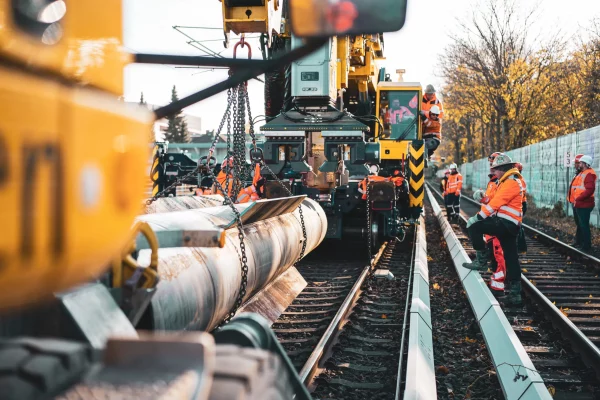 Wearin’s sensors track vital signs and environmental threats
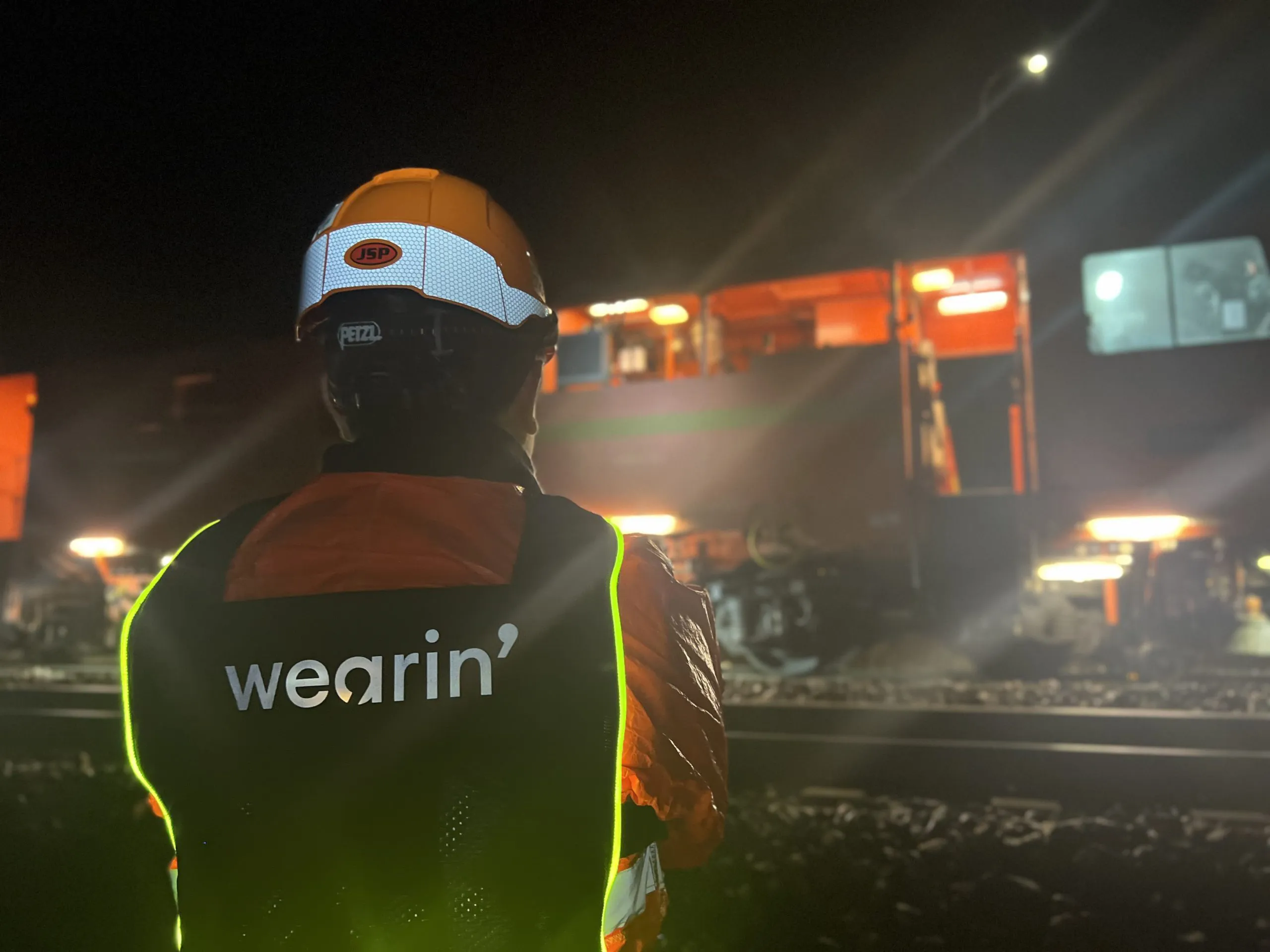 Railway workers use Wearin’s wearable tech to stay safe
Temperature spikes, gas leaks, extreme fatigue, these are now detectable and addressable as – and even sometimes before – they become emergencies.
Wearin’ solution aggregates multiple data streams, from individual vitals to ambient conditions, helping incident commanders and supervisors make faster, better-informed decisions. But it’s not just about real-time responses. Over time, the data builds a broader picture—identifying patterns of fatigue, long-term exposure risks, and areas where preventative measures could make the biggest difference.
“Railway companies are starting to see safety as a strategic investment”, explains Phong Pham, Business Development Manager at Wearin’.
“Not just to comply with regulations, but to actively protect careers, reduce turnover, and avoid costly delays or incidents. Thanks to Wearin’ AI-driven solution, we are creating a future where no professional faces danger alone. Where every decision is informed, every response is coordinated, and every life is better protected.”
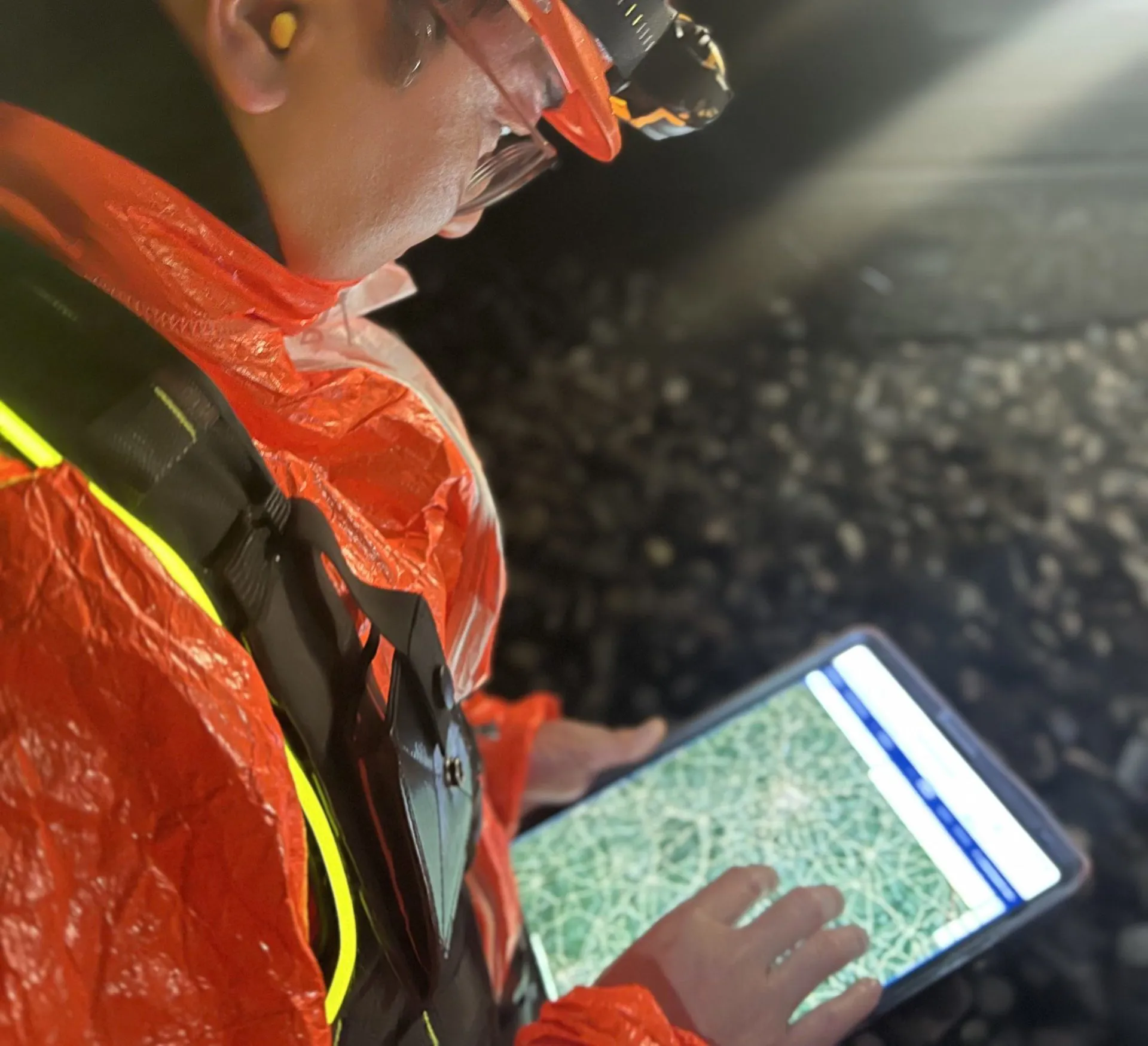 Supervisors monitor real-time data to protect teams
Sources d'information :
[1] Eurostat (2024), “Railway safety statistics”
https://ec.europa.eu/eurostat/web/products-eurostat-news/w/ddn-20241213-2
[2] Eurostat (2024), “Fatalities in railway accidents – update”
https://ec.europa.eu/eurostat/web/products-eurostat-news/w/ddn-20241213-2